
Supply and Installation of Digital Energy Meters for Electrical Substations
Supply and Installation of Digital Energy Meters for Electrical Substations
Introduction
Accurate energy measurement is essential for efficient electrical management in substations. This project focused on replacing outdated analog meters with high-precision digital energy meters across multiple substations. The upgrade aimed to improve monitoring accuracy, enable reliable billing, and align measurements with modern energy standards.
Project Objective
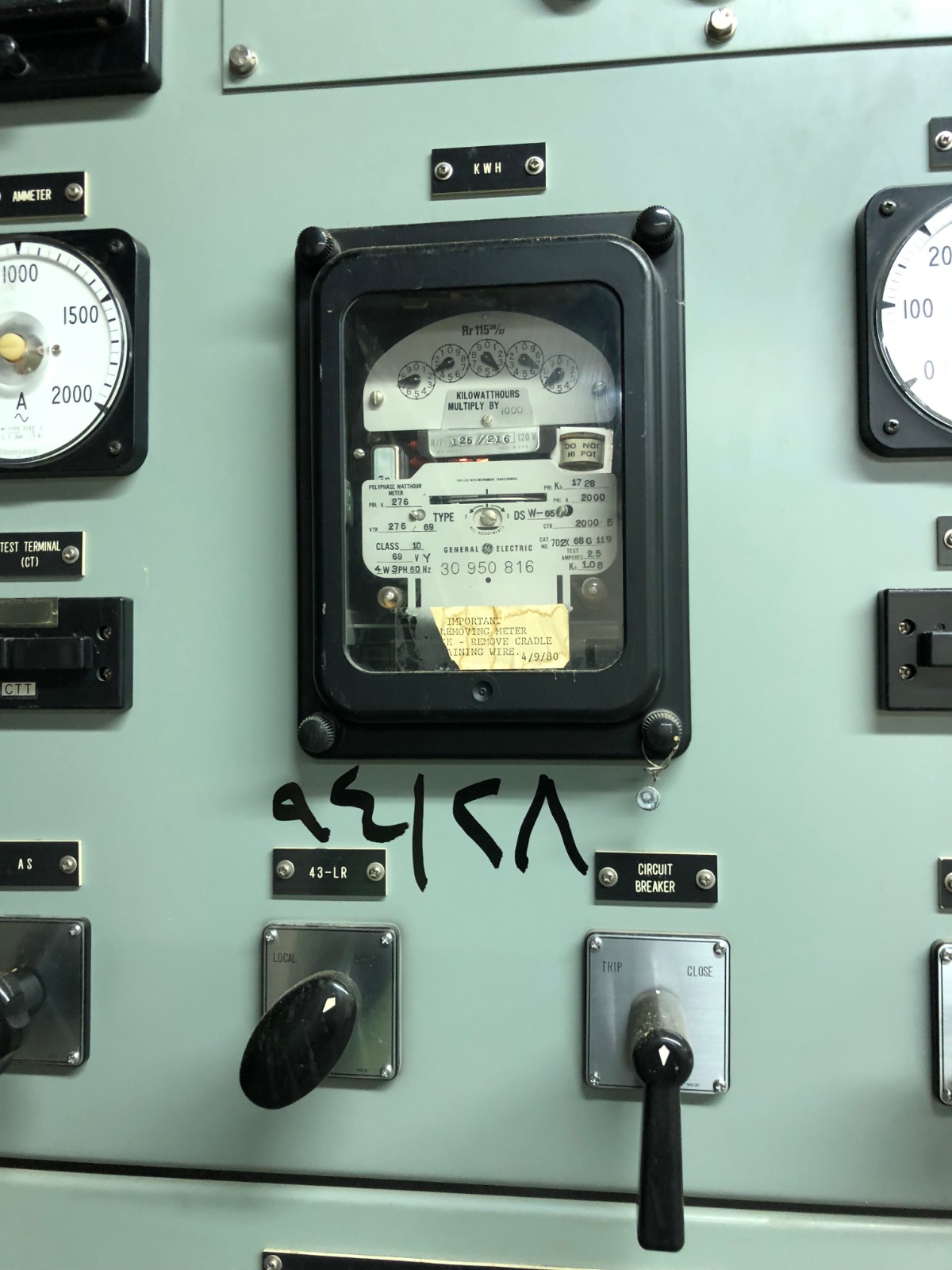
The objective was to replace existing analog electrical meters installed in main distribution panels with integrated digital energy meters. This upgrade was intended to enhance energy consumption evaluation and provide accurate billing data.
Scope of Work
The project covered installation and commissioning of digital energy meters in several substations. The major activities included:
- Mounting panel box enclosures near main distribution boards
- Installing EMT conduits for routing control cables
- Laying voltage sensing cables (1.5mm – red, yellow, blue, black)
- Installing current sensing cables (4mm – black)
- Connecting earth reference cables
- Disconnecting old analog meters
- Terminating cables to voltage and current transformers
- Programming CT and VT ratios
- Powering and testing digital energy meters
- Verifying phase sequence and power analysis
Substation Configuration
The following substations were upgraded with specific transformer settings:
Substation 1345 – Domestic
- CT Ratio: 3000/5A (2 meters)
- VT Ratio: 4 (120/480V)
Substation 1955 – International
- CT Ratio: 2000/5A (2 meters)
- VT Ratio: 4 (120/480V)
Substation 1755 – International
- CT Ratio: 3000/5A (2 meters)
- VT Ratio: 4 (120/480V)
Substation 1545 – International
- CT Ratio: 2000/5A (2 meters)
- VT Ratio: 4 (120/480V)
Installation Process
The installation began by mounting meter enclosures adjacent to the existing panels. Control cables for voltage and current sensing were routed through EMT conduits while maintaining safe spacing. The old analog meters were removed, and new digital meters were connected to voltage and current transformers.
Proper grounding connections were established, and all wiring was terminated according to connection schemes. After installation, each meter was powered up and configured with the appropriate CT and VT ratios.
%20Riyadh%20Station.jpeg)
Testing and Commissioning
After installation, the following tests were conducted:
- Verification of phase sequence
- True power analysis testing
- Voltage parameter validation (120V reference)
- Current measurement validation
- KWh unit display verification
- Parameter indication tests
These checks ensured that all meters were operating accurately and in compliance with standards.
Key Results
- All substations successfully upgraded
- Digital energy meters activated and operational
- Accurate KWh monitoring enabled
- Measurements aligned with SEC standards
- Improved reliability in energy tracking
Conclusion
The replacement of analog meters with digital energy meters significantly improved the accuracy and reliability of energy monitoring across substations. The new system provides precise consumption data, supports standardized billing, and enhances operational visibility. This upgrade establishes a modern energy measurement infrastructure suitable for future monitoring and reporting requirements.
Supporting Observations
- Existing analog meters lacked precision and monitoring capability
- Digital meters provide real-time measurement and improved accuracy
- Proper CT and VT configuration is critical for correct readings
- Structured wiring ensured safe and organized installation
Installation Testimonials
%20Riyadh%20Station.jpeg)
%20Riyadh%20Station%202.jpeg)
Tags
- Smart Metering
- Electrical Infrastructure
- Energy Standards
- Installation & Commissioning
Share
Join our newsletter
Email address: Subscribe