
Analysis of Electrical Distribution System for Networked Energy Analyzers
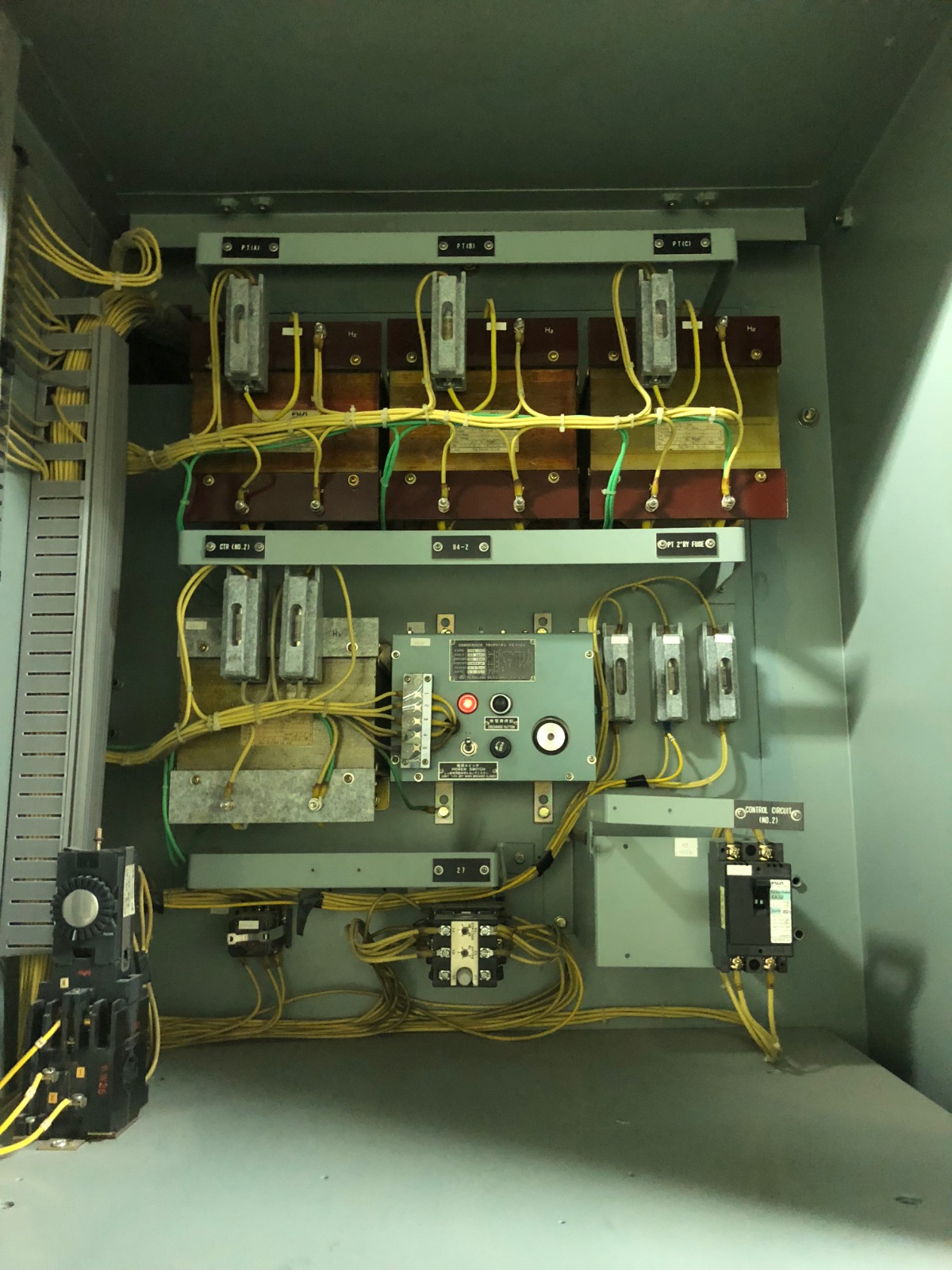
Analysis of Electrical Distribution System for Networked Energy Analyzers
Introduction
Efficient energy monitoring is essential for modern facilities, especially where multiple departments share electrical infrastructure. This project focuses on analyzing an existing electrical distribution system to enable the installation of digital networked energy analyzers. The objective is to understand current wiring, identify structural limitations, and recommend solutions for accurate energy metering.
Project Objective
The primary goal was to survey electrical circuits across office facilities and determine the feasibility of installing digital energy analyzers. This included identifying power routing, assessing distribution panels, and evaluating infrastructure readiness for department-wise energy monitoring.
Scope of Work
The project involved a comprehensive survey of the electrical distribution network using advanced instrumentation. The work included:
- Locating miniature circuit breakers for lighting and power outlets
- Inspecting main distribution boards (MDBs) and distribution boards (DBs)
- Reviewing cable trays and raceways
- Identifying shared or bridged electrical connections
- Estimating equipment required for segregation
- Planning installation for 38 digital networked energy analyzers
Methodology
Electrical circuits were traced using specialized cable-locating tools. Each office segment was analyzed to determine how power was distributed and whether connections were isolated or shared. The evaluation focused on identifying structural issues that could impact accurate energy metering.
Key Findings
The survey revealed that several office segments had interloped and bridged electrical connections. These shared connections make it difficult to identify individual departmental consumption and complicate billing segregation. In many cases, power was routed between rooms, resulting in overlapping circuits.
Proposed Solutions
Option 1: Install New Structured Cabling
This approach involves restructuring the electrical wiring to isolate departmental connections.
Advantages:
- Accurate billing for individual departments
- Clear separation of electrical loads
- Improved monitoring capability
Disadvantages:
- Higher material and installation cost
- Requires infrastructure modifications
Option 2: Install Digital Meters on MDB Feeders
This cost-effective solution places digital meters at the main distribution panel level.
Advantages:
- Lower cost
- Minimal infrastructure changes
- Faster implementation
Disadvantages:
- Billing only available at main panel level
- Department-wise consumption cannot be separated
Conclusion
The existing electrical infrastructure contains shared and bridged connections that limit accurate departmental energy monitoring. For precise billing and monitoring, structured cabling is the recommended long-term solution despite higher costs. However, installing meters at the main distribution feeders provides a practical and economical alternative for general energy tracking.
Supporting Observations
- Interloped connections route power between rooms
- Bridge connections draw power from adjacent offices
- Some circuits feed multiple departments, making node identification difficult
This analysis provides a foundation for implementing digital energy monitoring and selecting the most suitable approach based on budget and operational requirements.
Project Testimonials
%20Riyadh%20Station.jpeg)
%20Riyadh%20Station%202.jpeg)
Tags
- Energy Management
- Infrastructure Analysis
- Electrical Systems
- Smart Metering
Share
Join our newsletter
Email address: Subscribe